

Pre-sales customer service WeChat


RFID Tire Management Electronic Tag System
Release Time:2014-06-12
At present, the tire traceability mark on the market generally uses the form of "barcode sidewall information" to store all kinds of information of the tire, but the barcode and sidewall position information are located on the surface of the carcass, and the tire will wear it out soon after use. Once the information can not be seen, it means that the loss of tire information, which can not identify the tire model, pattern, diameter and other information. If there is illegal and unsafe use of tires (unqualified tires, overloaded use, expired use, etc.), it will directly cause difficulties for users' use, maintenance and claims, resulting in disputes, and even frequent safety accidents. Waste of energy resources and damage to the environment.
The application of RFID tire management electronic tag system can standardize the orderly production and sales of the tire industry (to prevent counterfeiting, OEM and fleeing goods) and realize the whole life cycle management of tires. Standardize the transportation industry to ensure personal and property safety; Promote and standardize the tire refurb industry and realize the tire circular economy.
Demonstration of the application of radio frequency identification RFID in tires: In the tire molding process, electronic tags are implanted inside the tire, which can withstand the deformation, high temperature and high pressure during tire molding and vulcanization. After X-ray inspection, bubble inspection, dynamic balance and uniformity inspection, durability test and so on, the reliability performance of the finished tire is shown.
From the perspective of safety, the RFID electronic tag is implanted into the tire, which mainly includes the combination of the electronic tag and the tire rubber, that is, the electronic tag must form a whole with the tire after being implanted into the tire, without causing bubbles and delamination and affecting the tire quality; The weight of the electronic tag cannot affect the quality of the tire dynamic balance, that is, the volume and weight of the electronic tag after encapsulation must meet the dynamic balance and uniformity requirements of the tire; considering the reliability of the tag, the electronic tag implanted in the tire must withstand the stretching, high temperature, high pressure, and bending deformation during the production and use of the tire, and be used throughout the tire life cycle; considering the reading and writing distance, the implanted tire The reading distance of the electronic tag in the tire should meet the management requirements of the later tire use.
It can be seen that the combination of RFID technology and tire manufacturing technology can not only solve the problems encountered in the process of tire identification and traceability, but also can write tire production data, sales data, use data, renovation data, etc., and can be collected and read through the terminal at any time, combined with corresponding management software, the recording and tracing of the whole life cycle data of the tire can be realized.
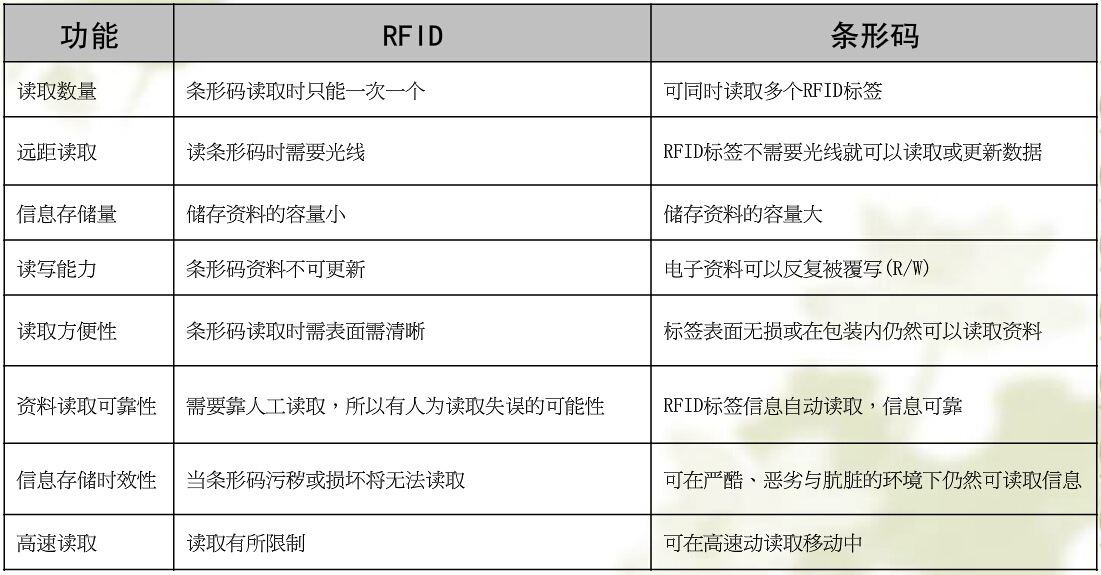
Close combination of RFID technology and bar code technology
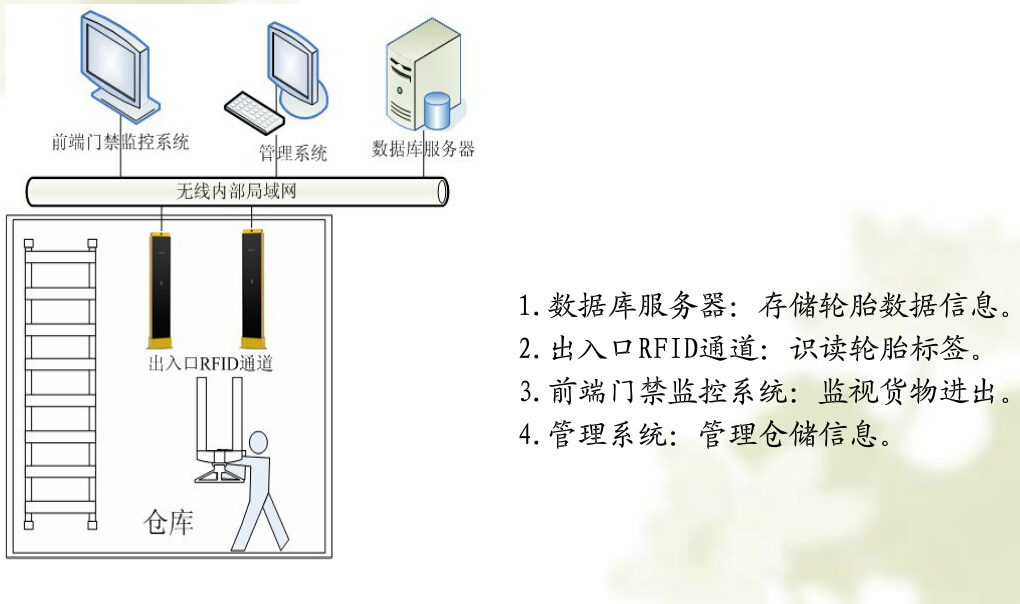
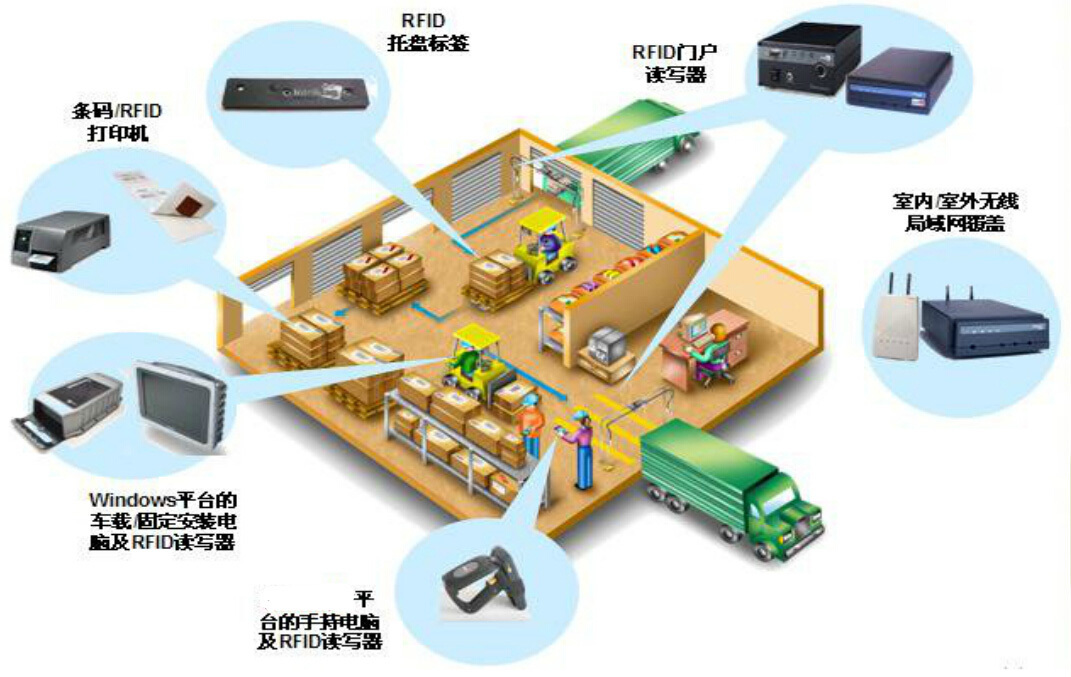
RFID tire management electronic tag system architecture diagram
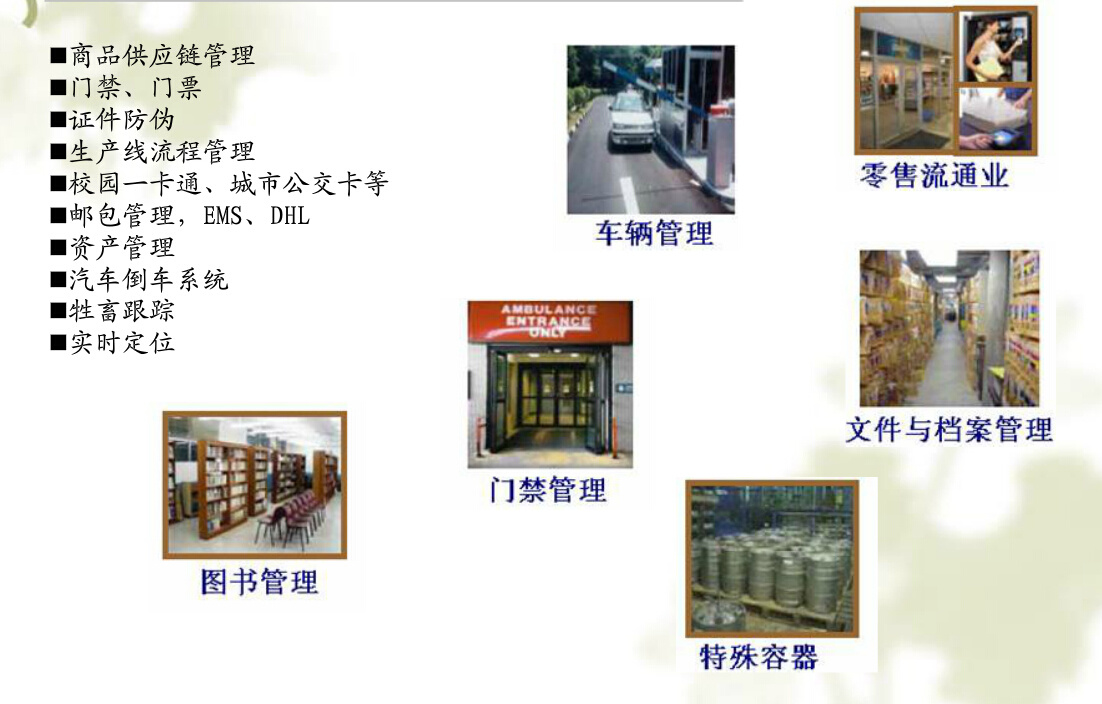
More Application Places of RFID Management Electronic Tag System

Focus on us
Official Account
Pre Sales
After Sales
National Service Hotline
Complaint suggestion:+86 13530144755
Enterprise E-mail:wanglili@xingyongli.com
Links:Shenzhen Hongxing Yongli Electronic Technology Co., Ltd.(Apply for friend chain plus QQ:2355671558)
©2024 Shenzhen Hongxing Yongli Electronic Technology Co., Ltd Powered by www.300.cn