

Pre-sales customer service WeChat


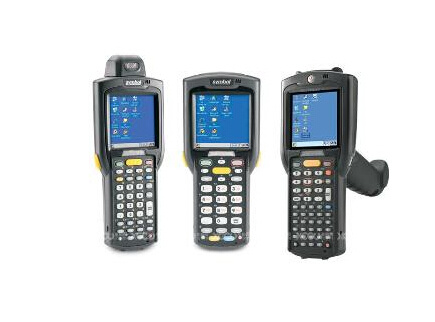
What are the functions of the wireless handheld terminal data collector
Release Time:2020-07-10
As the name implies, what are the functions of the general barcode wireless handheld terminal data collector/inventory machine should have functions such as data collection, data transmission, data deletion and system management:
1. Data deletion
After the data in the data collector is transmitted to the computer system, the data needs to be deleted, otherwise it will lead to the superposition of data reading again, resulting in data errors. In some cases, the data may be transmitted to the computer several times, and the data can be deleted only after it is confirmed that it is invalid.
2. Data collection
It is the process of reading the bar code of the commodity through the scanning device, directly confirming the quantity of the commodity or entering it through the keyboard, and storing it in the memory of the data collector in a text data format in a customized format such as bar code (barcode), quantity (Number), specification (Model), etc.
3. System management
The system management function has the adjustment of checking disk space and system date and time.
4. Data Transfer
The data transfer function includes data download and upload.
Data download is to transmit the commodity information that needs to be confirmed by the data collector from the computer to the data collector. Through the communication interface between the data collector and the computer, the data transmission program provided by the equipment manufacturer is run in the corresponding function of the computer management system. The transmission content may include: commodity bar code, name and quantity. The download of data can easily display the name of the commodity currently read into the barcode and the number to be confirmed when the data is collected.
What are the functions of the wireless handheld terminal data collector: data upload is to transmit the collected commodity data to the computer through the communication interface, and then convert the data to the corresponding database through the processing of the computer system.
Focus on us
Official Account
Pre Sales
After Sales
National Service Hotline
Complaint suggestion:+86 13530144755
Enterprise E-mail:wanglili@xingyongli.com
Links:Shenzhen Hongxing Yongli Electronic Technology Co., Ltd.(Apply for friend chain plus QQ:2355671558)
©2024 Shenzhen Hongxing Yongli Electronic Technology Co., Ltd Powered by www.300.cn