

Pre-sales customer service WeChat


The application of bar code technology in the ticketing management system is significant.
Release Time:2013-06-28
Bar code ticketing system using advanced electronic bar code production identification technology and computer ticketing information management combined with a modern image, management integration, real-time information, anti-counterfeiting reliability, strict accounting features. To make the traditional manual ticketing work electronic, at the same time to realize the ticketing management work towards full automation, standardization, can fundamentally solve the bill query difficult, ticket sales labor intensity of the status quo, improve the efficiency of bill management and customer service quality.
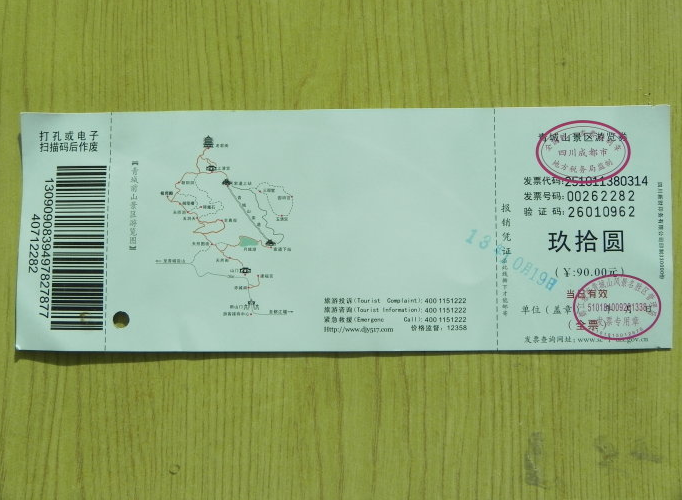
Attraction tickets
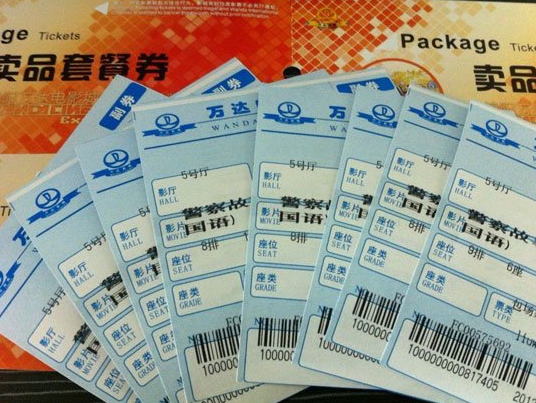
Movie tickets
Many occasions in life need to use all kinds of tickets (such as toll tickets for various tourist scenic spots, railways, highways, shipping and other industries). Traditional ticket sales and ticket management are mainly manual operations, which leads to the sharp increase of labor intensity and decrease of work efficiency of ticket sellers in certain peak hours. However, managers cannot arrange the work of ticket sellers scientifically and reasonably by accurate statistical data, the end result is customer complaints.
The high-efficiency and low-cost bar code ticketing management system has been applied significantly in many places. Hongxing Yongli combines its own advanced technology and products in the bar code field and uses bar code technology to realize the production and automatic management of various tickets, so that users can really bid farewell to the tedious and inefficient manual ticketing.
Applicable occasions:
Movie theater ticket sales management system
Park Automatic Fare System
Automobile Passenger Transport Information Management System
highway toll collection system
Parking Garage Toll System
……
Main functions:
1. Different tickets can be sold according to different sessions and different types of tickets. When the tickets are output, the barcode will be automatically printed. Relevant ticketing information can be provided to assist the ticketing work and facilitate the conductor to make inquiries and statistics.
2. Ticket checking and refund management
Provide ticket checking function at the entrance, realize real-time and batch ticket checking, and provide relevant ticket checking information tips to assist the reception work of ticket inspectors, or facilitate the audience to inquire when they have questions and need services. For refunds, strict verification is carried out to eliminate illegal bills.
3. Real-time monitoring of ticketing
In order to control the audience flow, a ticketing control function is provided, which can be set to limit the number of tickets issued for one or more types of tickets. When the real-time judgment reaches the ticket limit, prompt the conductor and lock the ticket for the ticket type.
4. Ticket Settlement
a. Provide ticketing cashier report, when each conductor on duty after the end of the ticket to the finance department, the finance can output from the computer should pay the ticketing sales schedule.
B. Detailed ticketing cash register schedules, daily operating income statements and ticketing summary tables of the conductors of each operating department can be output by session and day.
c. Be able to count tickets that have been sold and entered. The sales quantity and total amount can be summarized, including statistics by ticket type, ticket window, etc., and the statistical results can be printed.
d. Provide ticketing settlement report by group statistics, and finance can output the ticketing settlement summary and details of all groups from the computer.
5. Ticket Comprehensive Query
a. Real-time query of ticket sales and revenue, including sub-ticket windows, ticket types, etc.
B. real-time query the audience's admission, etc.
6, Decision Analysis
The present system provides intuitive graphical analysis capabilities for ticketing data. Such as histograms, line charts, pie charts and two-dimensional or three-dimensional graphics, so that managers can more vividly analyze and compare data.
Focus on us
Official Account
Pre Sales
After Sales
National Service Hotline
Complaint suggestion:+86 13530144755
Enterprise E-mail:wanglili@xingyongli.com
Links:Shenzhen Hongxing Yongli Electronic Technology Co., Ltd.(Apply for friend chain plus QQ:2355671558)
©2024 Shenzhen Hongxing Yongli Electronic Technology Co., Ltd Powered by www.300.cn